
The Programmes
The learning is adult centred with the focus on the cognitive, creative and social dimensions of adult musical development. Both programmes are accelerated in learning but the emphasis is on developing musical understanding, knowledge and skill-building. The programme is based on best practice in performance, composition, music theory, and listening.
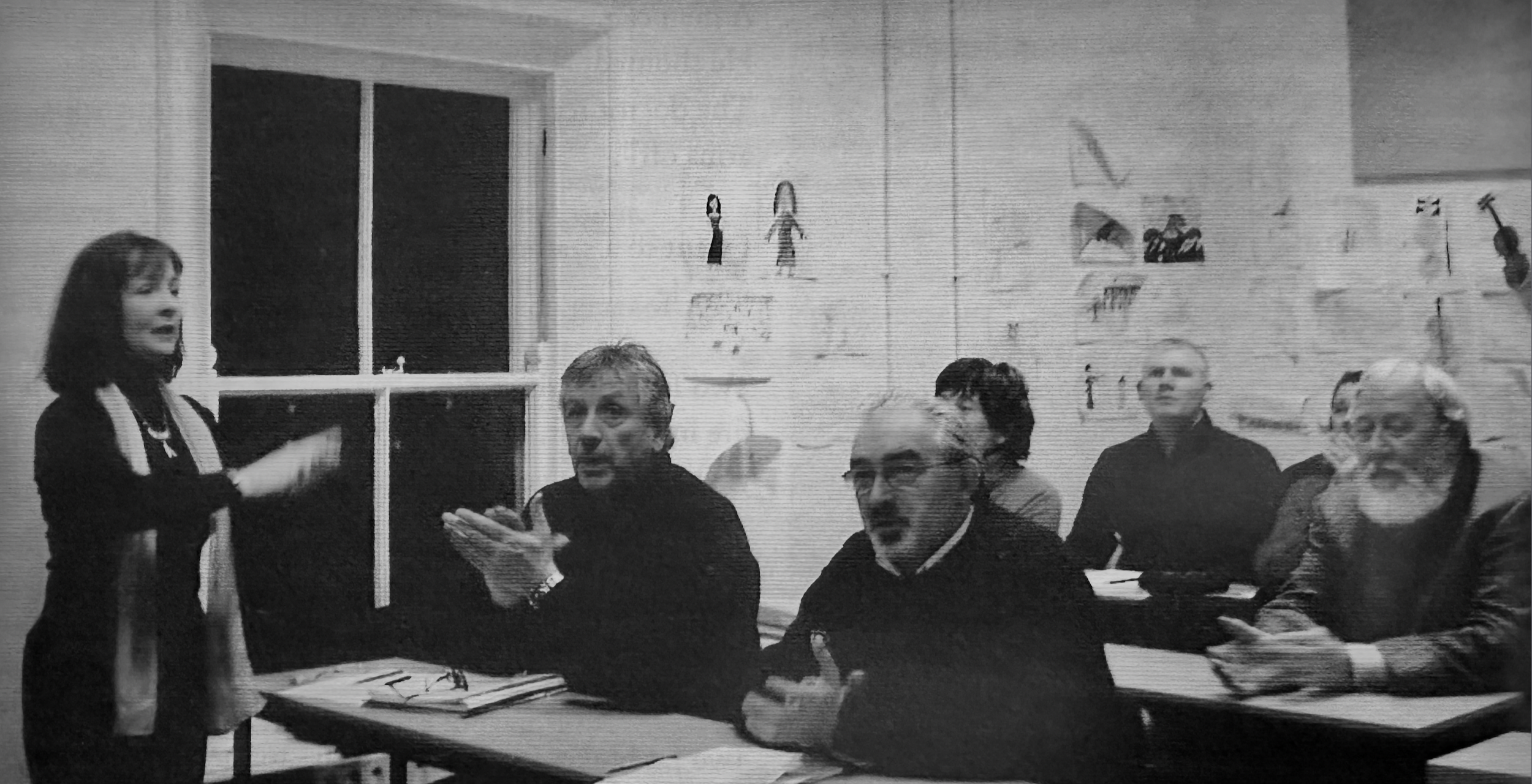
Key Features of the Learning Approach
“The opportunity to acquire musical skills and sing with others.”
“An environment for social interaction and future musical friendships.”
“A source of for spiritual fulfilment, pleasure and enjoyment.”
“A supportive environment to foster confidence, creativity and musical ability.”
“A pathway to enhance everyday life, while also escaping everyday life!”
Musical Notes I
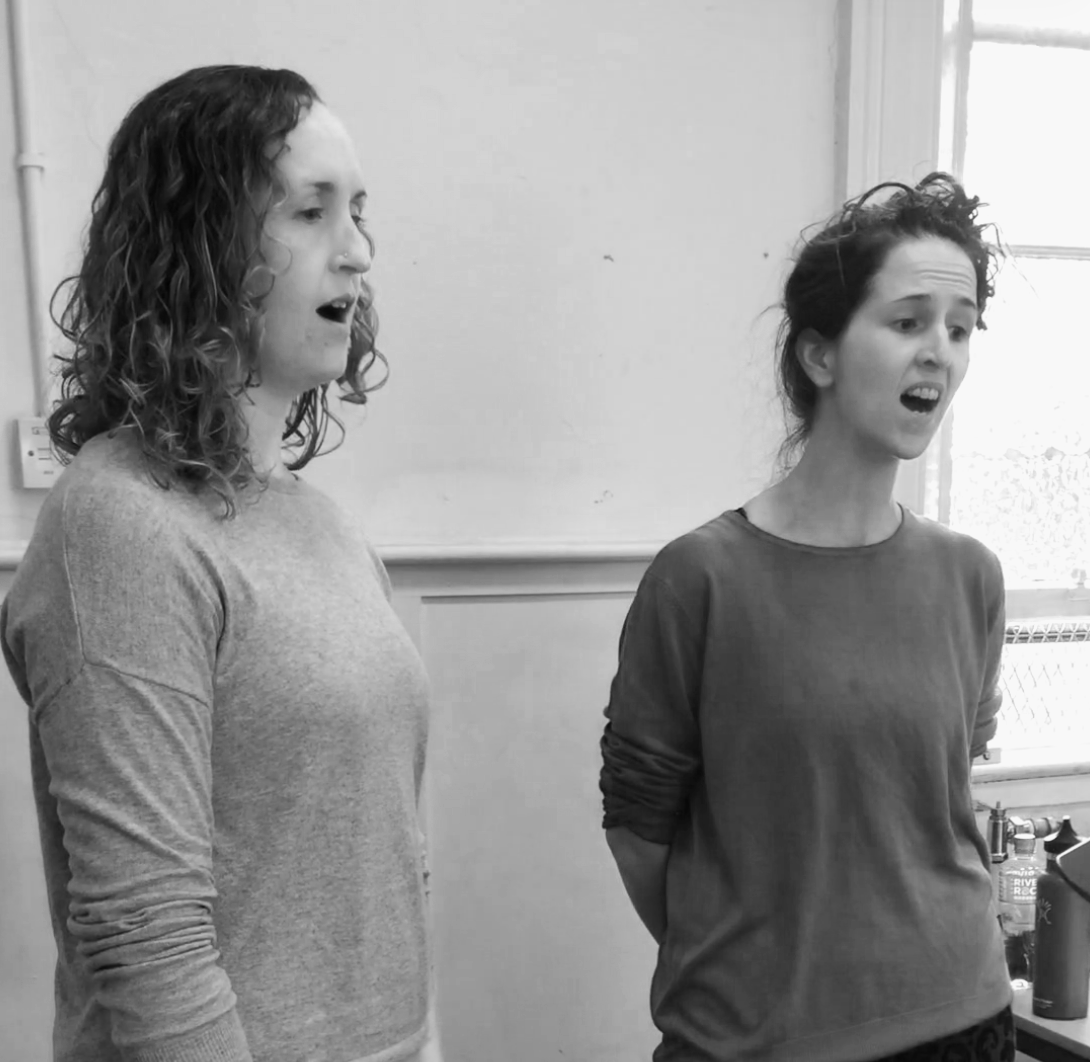
Consists of 2 modules across 16 weeks
Suitable for beginners with no prior music learning experience.
-
Practical Skills in Rhythm & Melody
Every class starts with learning practical skills. These activities act as a good warm-up, either clapping or playing a rhythm on percussion instruments
The voice is the chosen instrument for learning melody
The objectives are to equip the student with the skills to hear the sound before writing
The value for acquiring specific musical skills (why? what? and how?) are outlined in class
-
Kodaly’s principles of rhythm names and rhythmic performance.
Rhythm-playing, which facilitates a ‘warm up’ and engaged listening. Participation as an informal approach (echo clapping or imitation) is followed by the more formal aspects of notation.
Rhythmic pattern worksheets are provided for class sight-reading and are clapped or played on percussion instruments.
Time signatures: 2/4, 3/4, 4/4, 6/8
Group playing of 2-bar and 4-bar rhythmic patterns
Learning how to compose a 2-bar and 4-bar rhythmic patterns
The objective is to train the ear before the eye to enable the student to know the sound (aural) before the symbol (written)
-
Kodaly’s principles are key
Singing in solfa
Sight-singing in major keys up to three sharps and three flats
Time signatures: simple times
Worksheets of 4-bar and 8-bar melodies are provided
Singing is also linked to melody composition (singing is the process for composition)
-
Learning includes how to compose in simple times:
Rhythmic patterns (4-bar), ostinato
Melody writing (4-bar, 6-bar, 8-bar)
Choosing a tempo and adding phrasing to a melody
Adding chords to a melody (4-bar)
Writing a melody above chords (4-bar)
Composition develops hearing, creativity, listening and writing.
Composition, unlike theory, is a more personal and creative process that enables students to make their own musical choices.
-
Notation
Note and rest names and values
Time signatures (simple time)
Major key signatures up to 3 sharps and 3 flats
Minor key signatures up to 2 sharps and 2 flats
Scales, triads and intervals based on the keys above
Musical terminology, articulation and expression
Transposition
-
Listening to various styles of classical music (Baroque, Classical, Romantic)
Listening in conjunction with YouTube videos (links are provided)
Class-based discussion about the characteristics of a piece of music
Comparison of musical features and styles
Learning the language of music
Selected works are chosen for more detailed listening
Introduction to score reading with listening
-
Worksheets (aural activities in rhythm and singing)
Handouts on melody composition
Handouts on listening
Programme notes on some pieces listened to on YouTube
Scores provided
Links to works from listening
Additional blogs and resources available in the ‘members only’ section of the MNFA website
Musical Notes II
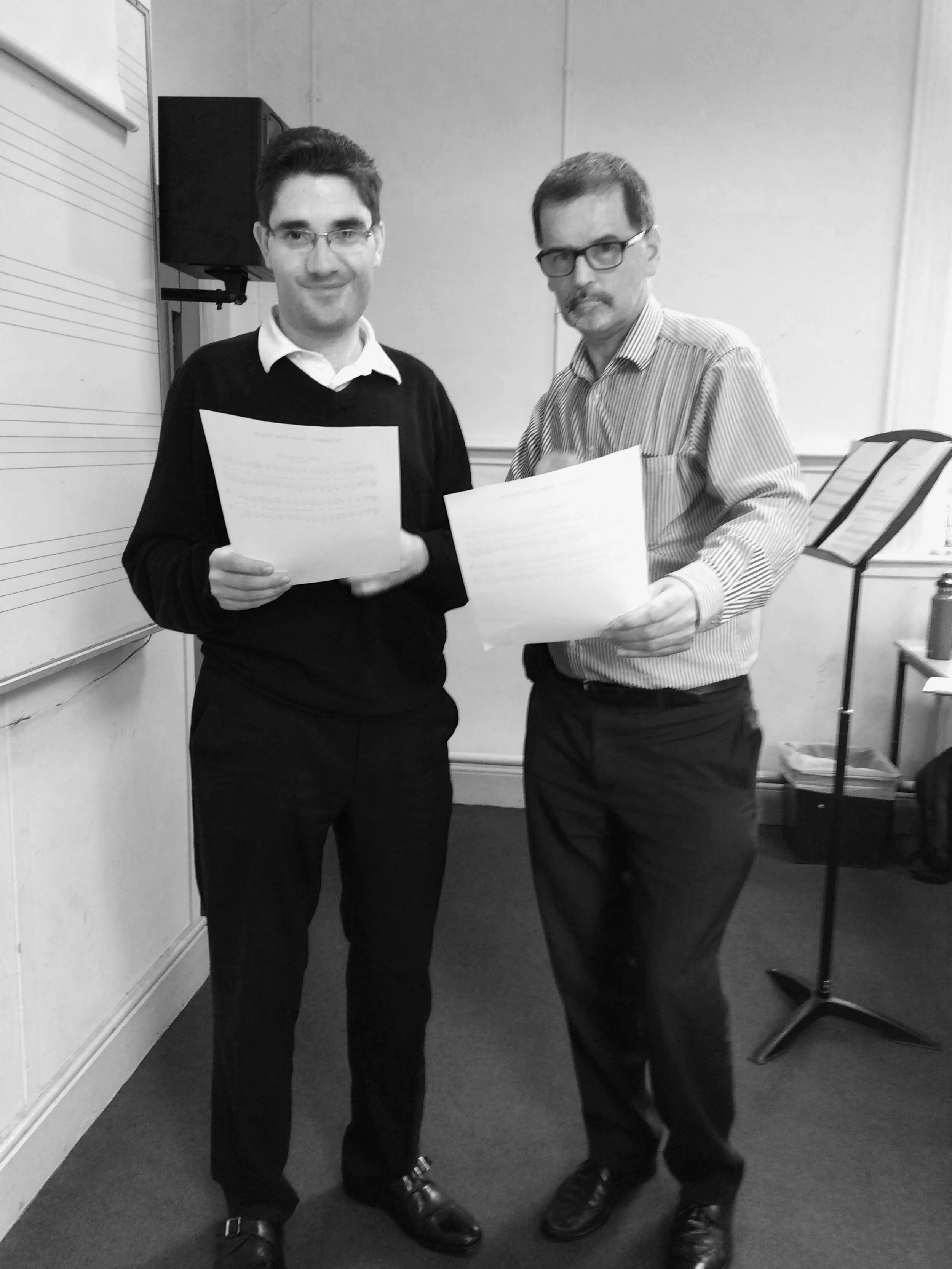
Consists of 2 modules across 16 weeks
Suitable for those with some experience in music such as instrumental or singing.
-
The methodology reflects the approach of MNFA I with more advanced notational and rhythmic patterns.
Every class starts with learning practical skills that facilitate a warm-up, e.g. playing rhythms on percussion instruments. The voice is the chosen instrument for learning melody.
The objectives are to equip the student with the skills to hear the sound before writing.
The value for acquiring specific musical skills (why? what? and how?) are outlined in class.
-
All classes begin with rhythm playing on percussion, as a ‘warm-up’ and in facilitating movement and flow
Simple times, compound times and some irregular times (5/8, 7/8)
6-bar and 8-bar rhythm worksheets are provided for performance in class and for home practice
2-part rhythmic playing requires a stronger sense of listening to oneself and others
-
Singing is included in all aural activities including composition
Singing is based Kodaly’s principles
Singing in solfa and using hand signs
Major key signatures up to 4 sharps and 4 flats
Minor key signatures up to 2 sharps and 2 flats
Time signatures: all simple times and 6/8, 9/8, 12/8
Sight-singing with modulation to the dominant key and relative minor
8-bar and 12-bar melodies for sight-singing and composition
Singing fosters pleasure, fulfilment and enjoyment!
-
Composing an 8-bar melody with modulation
Introduction to 12-bar melody composition with form
Adding phrasing, articulation, tempo, dynamics and expression
Keys signatures up to 4 sharps and 4 flats
Time signatures: all simple times, some compound times
Singing and melody composition are inextricably linked for the student to hear and sing the melody they have composed
-
Introductory knowledge of SATB, root position and first inversion chords, including the dominant seventh and cadential six-four
Figured bass, root position, first inversions and dominant sevenths
Singing parts from harmony extracts in class will develop more focused hearing and listening
Introduction to composing a piano accompaniment to a song or instrumental piece
-
Major key signatures up to 6 sharps and 6 flats
Minor key signatures up to 5 sharps and 5 flats
Scales and triads based on the above keys; the chromatic scale
Four types of intervals including compound intervals
Writing musical extracts in short and open score format
Identification of musical features in a piece
Transposing instruments
Ornaments
-
Selected works from the Baroque, Classical, Romantic, Impressionist and Modern eras
Listening with YouTube videos (links are provided)
Class-based discussion about the characteristics of a piece of music
Comparison of musical features and styles
Learning the language of music
A selected orchestral work is chosen for listening with score
-
Worksheets (aural activities in rhythm and singing)
Handouts on melody composition
Handouts on harmony, figured bass and piano accompaniment
Handouts on listening
Programme notes on some pieces listened to on YouTube
Scores provided
Links to works from listening
Additional blogs and resources available in the ‘members only’ section of the MNFA website